A Commercial Vessel, a Missile Strike, Three Bodies
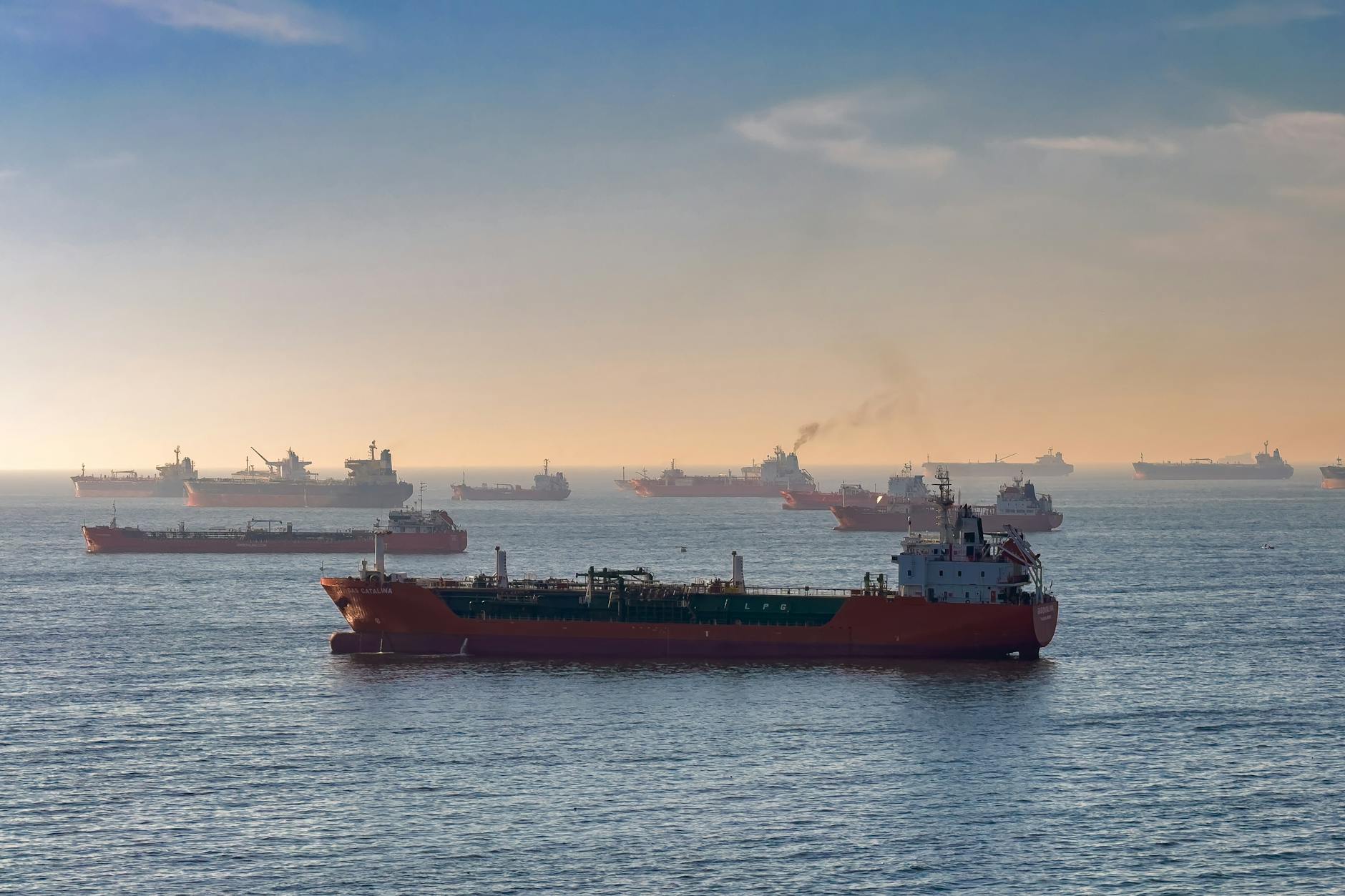
Sometime last week, a US military strike hit a commercial oil tanker transiting the Strait of Hormuz. Three Indian seafarers aboard were killed. The circumstances of that strike — who authorized it, what rules of engagement governed it, what intelligence predicated it — have not been formally disclosed by Washington. What has been disclosed, through the blunt instrument of official silence, is that the United States does not consider the deaths of Indian nationals operating in international shipping lanes an event requiring an apology.
That position is not ambiguous. It is a posture. And New Delhi has understood it as such.
The Architecture of Refusal
Refusal to apologize is not a default or an oversight in situations like this. It is a deliberate structural signal. The US has the diplomatic vocabulary to express regret, to invoke fog-of-war framing, to offer condolences while disputing culpability. It has done so in other incidents with other countries. The choice not to deploy that vocabulary with India communicates a hierarchy: that Washington calculates the cost of an apology to India as higher than the cost of Indian outrage.
That calculation may reflect a belief that the broader US-India strategic relationship — defense cooperation, Indo-Pacific alignment, counterbalance to China — is robust enough to absorb the friction. It may reflect contempt. It may reflect an internal Washington consensus that any acknowledgment of error in the Hormuz operational theater would complicate ongoing activities there. None of these explanations flatter the United States. All of them are consistent with the observable behavior.

Leaders from the world's wealthiest democracies convened at Évian as the Hormuz incident placed an open wound at the center of the summit's agenda.
Jonas Horsch / PexelsWhat the G7 Table Measures
The G7 summit in France placed the two governments in proximity at the worst possible moment. These summits are, in structural terms, performances of alliance cohesion. The communiqués are drafted weeks in advance. The bilateral margins are where real signals travel. The image of the American and Indian heads of government occupying the same conference hall while Indian public anger over the sailors’ deaths continues to build is not an image of strained alliance management — it is an image of a relationship operating under a fundamental test of asymmetry.
India is not a G7 member. It attends as a guest, as it has at various iterations. That structural position matters. India cannot use the summit’s formal machinery to extract accountability. It can only use the theater of presence — and the implicit threat of what recalibrated alignment looks like.
The Hormuz Variable
The Strait of Hormuz is not peripheral geography. Roughly 20 percent of global oil supply transits it. India is among the world’s largest importers of Gulf crude. Indian seafarers constitute one of the largest national workforces in the global merchant marine — hundreds of thousands of Indian nationals crew the tankers, bulk carriers, and container ships that move through the Gulf on any given day.
When those workers are killed by American military action on a commercial vessel in international waters, the incident is not merely bilateral. It implicates the entire legal and operational framework under which commercial shipping is supposed to be protected from military interdiction. Washington has not explained why a commercial tanker was struck. That absence of explanation is itself a data point about how the US views its operational freedom in the strait.
Relations at Their Floor
The Guardian’s framing — relations at their lowest ebb in years — requires unpacking. The US-India relationship has been managed as a strategic convergence since the 2000s, deepening through successive administrations regardless of party. Defense agreements, technology transfers, counterterrorism cooperation, and the Quad framework all represent institutional scaffolding built over two decades. That scaffolding does not dissolve over a single incident.
But it does reveal its load-bearing assumptions. The assumption embedded in American strategic thinking about India has always been that New Delhi’s hostility to Chinese regional dominance would function as a sufficient binding force — that India would absorb friction with Washington because the alternative, a closer Chinese alignment, was less attractive. The Hormuz incident tests whether that assumption can absorb a direct killing of Indian nationals without any formal accountability.
Structural Damage Without a Rupture
What the Hormuz killings have produced is not a rupture but a recalibration of what India understands the relationship to mean. Ruptures are clean. They produce formal responses — recalled ambassadors, canceled agreements, public declarations. What is happening instead is the accumulation of evidence about the terms on which the United States operates with its partners. Those terms, as currently demonstrated, do not include accountability for killing partner-nation civilians in contested operational theaters. India is now in possession of that evidence. How it is weighted against the structural incentives for continued alignment will define the trajectory of the relationship for years.