
A Framework Signed, Then Immediately Suspended
On June 17, 2026, the United States and Iran signed a 14-point memorandum of understanding in Switzerland, opening a 60-day negotiating window to address Iran’s nuclear program and restore traffic through the Strait of Hormuz. By June 19, before follow-on talks could begin in the Swiss village of Obbürgen, the entire diplomatic structure had been suspended. JD Vance’s staff were at the airbase, bags packed, when the cancellation came through.
The proximate cause was Israel. The IDF resumed strikes across multiple areas of southern Lebanon throughout Thursday night, targeting what it described as Hezbollah positions in violation of an existing ceasefire. Iran cited those strikes as its grounds for withdrawal. Tehran could not be seen entering negotiations to cement a ceasefire while one of its primary regional proxies was being actively bombed by the state the deal is implicitly designed to constrain.
The Architecture of a Deal Already Under Stress
The MOU’s internal logic was always precarious. It required simultaneous compliance across multiple actors who share no common interest in its success: the US, Iran, Israel, Hezbollah, and the shipping operators who move oil through Hormuz. The agreement’s 60-day clock — which Vance confirmed began running on June 19, setting an August 17 deadline — presupposes a level of regional stability that demonstrably does not exist.
Iran’s supreme leader Ayatollah Khamenei added a further complication in his first public reaction to the deal. He stated he had approved it despite holding a “different view,” after receiving personal commitments from President Pezeshkian. Khamenei simultaneously claimed Trump had acted “out of desperation” and warned that face-to-face negotiations would not mean “accepting the enemy’s point of view.” That is not the language of a party preparing to make substantive concessions. It is the language of a party managing domestic political optics while retaining full flexibility to exit.
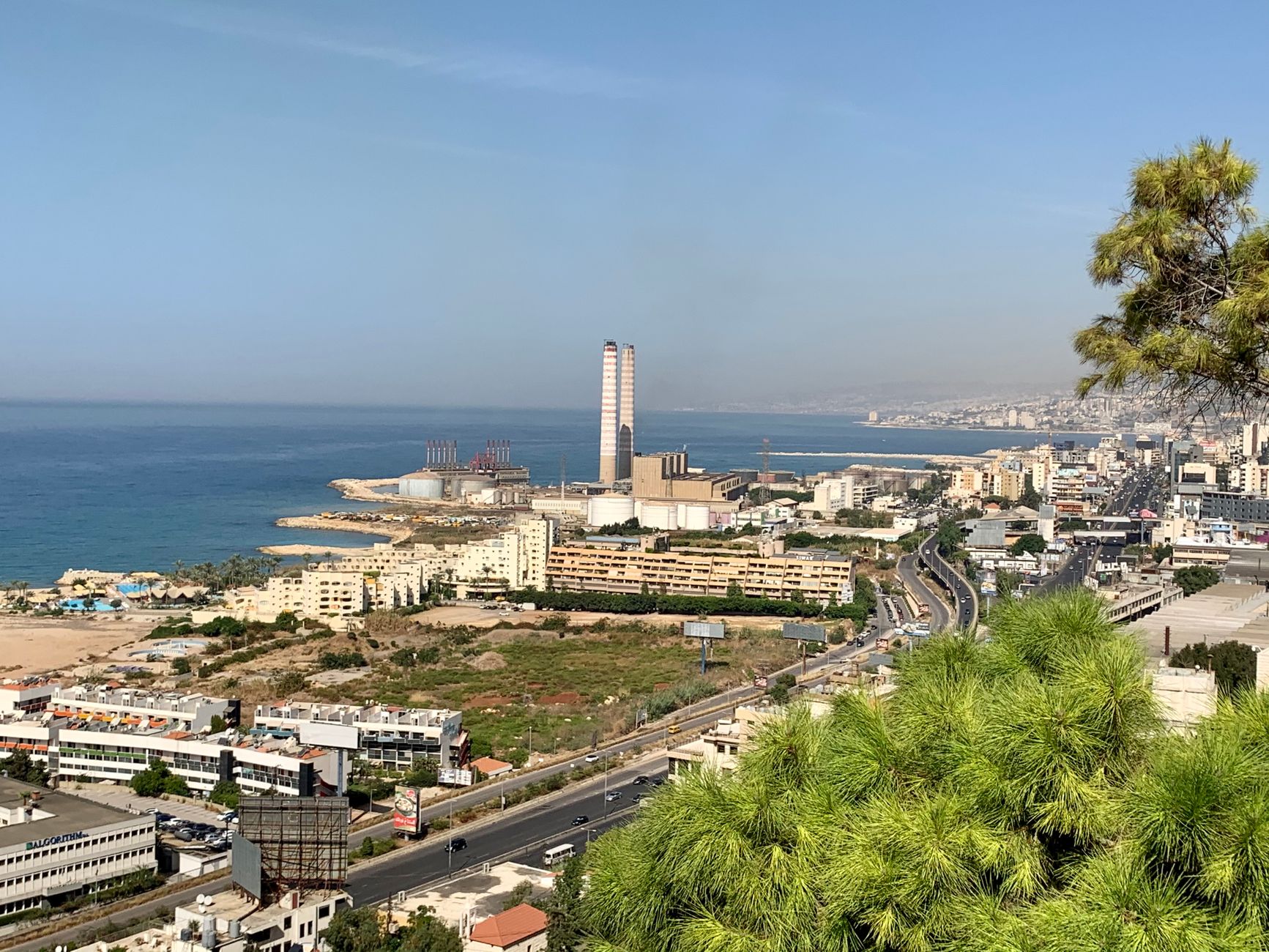
IDF strikes resumed across southern Lebanon hours before the Swiss talks were due to begin, providing Tehran with its stated justification for withdrawal.
Hervé Piglowski / PexelsHormuz: The Economic Lever
The Strait of Hormuz remains the deal’s only concrete deliverable with immediate market consequences. US Central Command lifted its naval blockade of the waterway on June 19, and marine traffic data confirmed at least seven vessels had transited by that evening. Oil and LNG tankers moving through Hormuz after weeks of disruption is a measurable outcome — but it is also a reversible one.
US Defense Secretary Pete Hegseth, speaking at a NATO defense ministers meeting in Brussels, made the reversibility explicit: if Iran failed to meet its commitments, the US would reimpose the blockade and restart military operations. That threat is the deal’s only enforcement mechanism. There is no third-party arbitration, no phased sanctions relief tied to verified compliance benchmarks, no multilateral monitoring framework. The agreement’s durability rests entirely on the credibility of a threat that the US has already demonstrated it will suspend the moment a signing ceremony becomes politically convenient.
Brent crude reversed a multi-week decline on the news of resumed Lebanon fighting, rising on the combination of supply-route uncertainty and the collapse of the Swiss talks. The market is not pricing in a stable deal. It is pricing in continued volatility with episodic relief.
Brent Crude Price Response to Hormuz Disruption (2026)
Vance, Israel, and the Loyalty Transaction
Vance’s posture throughout the crisis has been structurally revealing. In the same hours that the Swiss talks were collapsing, he publicly rebuked Israeli critics of the Iran deal, telling reporters that Trump was “the only head of state in the entire world who is sympathetic to the nation of Israel at this moment in time.” The reference to the billions in US defense aid Israel receives was not incidental — it was the point. Vance was reminding Israeli officials that American support is a transaction, not a commitment, and that the terms of that transaction are currently being renegotiated.
That message lands differently depending on who receives it. For Iranian negotiators, it signals that the US is willing to apply pressure to Israel — useful cover for domestic audiences in Tehran. For Israeli officials, it signals that continued military operations in Lebanon carry diplomatic costs that the US is now willing to name publicly. Neither reading produces the regional stability the 60-day window requires.
What the Clock Is Actually Counting Down
The August 17 deadline is real. What it measures is less clear. The MOU established a framework for negotiations, not a negotiated outcome. Iran’s stated position — that the talks represent a tactical pause, not a strategic concession — is consistent with Khamenei’s public messaging. Israel’s operational behavior in Lebanon suggests it does not consider itself bound by a ceasefire it did not sign and a deal it was not party to.
The Switzerland cancellation is not a failure of logistics. It is a structural demonstration that the agreement’s foundational assumption — that the parties can be sequenced into compliance by American diplomatic pressure alone — does not hold. Sixty days from now, the mechanism for enforcing that assumption remains exactly what it was on the day the MOU was signed: the threat of resumed military action and a reimposed blockade. Threats that have already been suspended once do not become more credible the second time they are issued.