
The Gap Between the Headline and the Checkout Line
The initial framework agreement between the United States and Iran produced immediate and measurable financial market responses. The rial appreciated against the dollar. The Tehran Stock Exchange posted significant gains. Financial analysts in regional capitals noted the movement and framed it as evidence of economic normalization beginning to take hold. That framing is structurally misleading. Currency appreciation and equity market rallies are leading indicators of investor sentiment. They are not measures of household purchasing power, and they are not measures of the inflation that has been compounding inside the Iranian economy for years.
Iranians shopping for food, medicine, and basic goods reported no corresponding relief. Prices that rose sharply during the period of maximum sanctions pressure and then accelerated further during active military operations did not reverse. The gap between what financial markets registered and what consumers experienced is not a paradox. It is a structural feature of how economic recovery works — or fails to work — in sanctioned and conflict-affected economies.
What the Market Rally Actually Measured
Currency and equity markets price expectations. When the US-Iran agreement was announced, markets priced in the expectation of sanctions relief, resumed oil export revenues, and the eventual restoration of Iranian access to international financial systems. Those expectations may prove correct over a multi-year horizon. They have no transmission mechanism to food prices over a period of days or weeks.
The rial’s appreciation, taken in isolation, should theoretically reduce the cost of imported goods by making foreign currency cheaper to acquire. But Iran’s import supply chains — the logistics networks, the banking relationships, the shipping arrangements — were disrupted not only by sanctions but by active military operations. Supply chains do not reconstitute themselves in response to a preliminary diplomatic framework. They reconstitute themselves when goods physically move again, when suppliers extend credit again, and when the banking infrastructure to process transactions is operational again. None of those conditions have been met at a scale that would register in consumer prices.
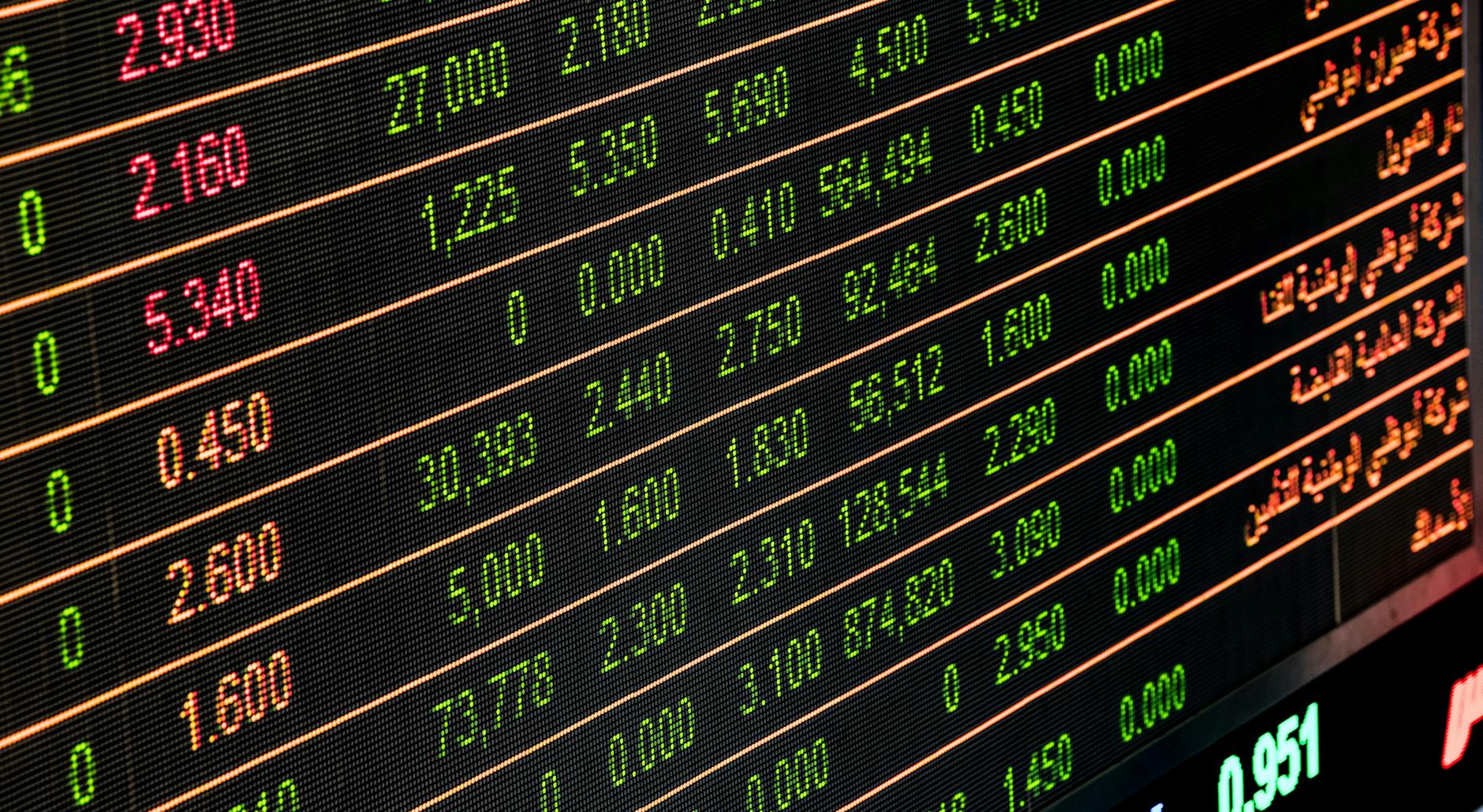
Iran's stock exchange posted sharp gains following the ceasefire framework, a rally that reflected speculative optimism rather than any change in household economic conditions.
Pixabay / PexelsThe Inflation That Preceded the War
The current pricing crisis in Iran did not begin with the US-Israeli military campaign. It is the accumulated product of years of sanctions-driven monetary instability, domestic fiscal mismanagement, and a structural inability to import inputs that feed into agricultural and industrial production. Annual inflation in Iran had been running at rates that placed it among the highest in the world even before the military operations began. The conflict accelerated dynamics that were already embedded in the economy’s functioning.
This context matters because it determines the timeline for any meaningful relief. If the sanctions that created the underlying inflation are not lifted in full, and if the financial architecture that allows normal trade to resume is not restored, then currency appreciation remains a speculative signal rather than a driver of actual price change. Iranian consumers understand this distinction without needing to articulate it in macroeconomic terms. They know that the rial has bounced before — during previous diplomatic openings, during temporary easing periods — and that those bounces did not translate to the grocery bill.
Structural Misalignment of Recovery Signals
The pattern playing out in Iran is consistent with post-conflict and post-sanctions economic transitions elsewhere. In Myanmar following partial sanctions relief, in Zimbabwe following currency reform, in Venezuela during brief commodity price recoveries, financial headline indicators improved while household conditions either stagnated or continued to deteriorate. The institutions that track macroeconomic signals — central bank data, stock market indices, currency exchange rates — operate on different timeframes and through different mechanisms than the supply chains and wage structures that determine whether ordinary people can afford to eat.
International observers and diplomatic stakeholders have a structural incentive to emphasize the positive market signals. They are negotiating frameworks that need to appear successful. The rial’s recovery and the stock market rally provide evidence that can be cited. The persistence of high food prices is less visible, less quantifiable in real time, and less useful as a diplomatic talking point.
Recovery as a Political Claim vs. an Economic Reality
The disconnect between Iranian market performance and Iranian household welfare is a case study in how economic recovery gets claimed before it arrives. Agreements produce signals. Signals produce headlines. Headlines create political facts that governments use to justify the terms they accepted. The population living inside the actual economy occupies a different temporal reality — one in which structural inflation built over years does not dissolve because a preliminary framework was signed.
If comprehensive sanctions relief is implemented, if supply chains are physically restored, and if the monetary transmission mechanisms that connect currency stability to consumer prices are allowed to function, then the market signals of today may eventually reach the checkout line. The history of comparable transitions suggests that timeline is measured in years, not weeks. In the interim, the gap between what financial markets recorded and what Iranians experienced is itself a political fact — one that will shape the domestic legitimacy calculus of the agreement as it moves toward implementation.