The Return
Andy Burnham won the Makerfield byelection on Thursday by a margin that left no ambiguity about what it means. He beat the Reform UK candidate. He beat the Restore Britain candidate. He returned to Westminster after nine years away with the kind of majority that transforms a byelection result into a political statement. The statement is directed at one person: Keir Starmer.
Burnham left the House of Commons in 2017 to become Greater Manchester’s first metro mayor. In the years since, he built a governing record, a regional identity, and a public profile that Westminster-bound politicians rarely sustain. He fought Boris Johnson publicly over pandemic funding. He made Greater Manchester a visible administrative unit with a recognizable political personality. He ran on a platform coherent enough to be attacked and defended. That nine-year absence was not a retreat. It was preparation.
What Makerfield Actually Measured
The constituency of Makerfield sits in the post-industrial northwest — historically safe Labour territory that has required increasingly active management as Reform UK and its predecessors have chipped away at working-class attachment to the party. The fact that Burnham not only held the seat but held it decisively against both Reform UK and the new Restore Britain party is a data point about his specific appeal, not just Labour’s baseline vote.
Reform UK has positioned itself as the primary vehicle for working-class disillusionment with both major parties. That it failed to narrow the gap meaningfully against Burnham — a figure explicitly associated with left-leaning municipal governance — suggests that his brand of politics retains cross-demographic traction that the current Starmer government demonstrably struggles to project. The byelection was, among other things, a comparative test run.
The Structural Problem for Starmer
Keir Starmer’s government entered office in 2024 with a parliamentary majority built more on Conservative collapse than on Labour enthusiasm. The governing project since then has been defined by fiscal constraint, cautious positioning on culture war questions, and a managerial style that has generated stability without momentum. That is a coherent political strategy. It is not, however, a strategy that forecloses a leadership challenge from a figure whose entire political identity is built on the proposition that managerialism is insufficient.
Burnham has not declared a challenge. He does not need to yet. His presence in the Commons changes the geometry of Labour politics immediately. Every policy debate, every Prime Minister’s Questions, every government stumble now occurs with Burnham present and available as a visual alternative. The comparison is built into the architecture of the chamber.
Starmer’s team will argue that governing is harder than opposing, that Burnham’s regional record doesn’t translate to national office, and that the party should not destabilize a government that is functional and electorally viable. These are arguments with merit. They are also arguments that leadership contests, once begun, tend to shred.

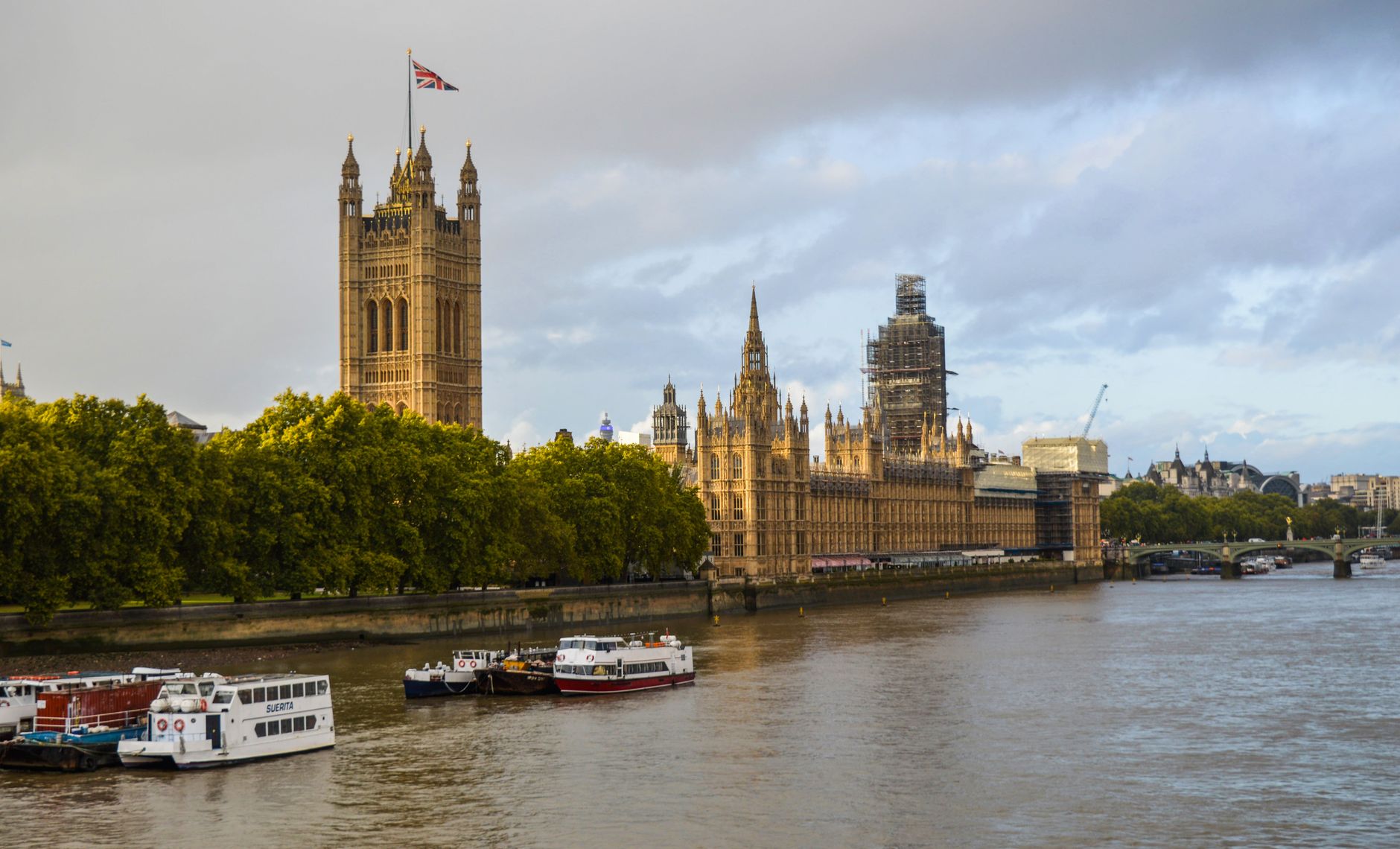
Burnham built his political base across Greater Manchester over nine years, constructing a governing record that contrasts sharply with the trajectory of the Starmer government in Westminster.
Mylo Kaye / PexelsReform UK and the Threat That Remains
The Makerfield result should not be read as a verdict that the Reform UK threat has passed. Burnham’s personal vote suppressed the Reform ceiling in a constituency where it might otherwise have tested Labour’s hold more seriously. The same dynamic will not replicate across the Red Wall or in the Midlands constituencies where Reform UK came within margins of single digits in 2024. The fragmentation of the English working-class vote is a structural condition, not an electoral cycle. Burnham’s win demonstrates that it can be managed with the right candidate. It does not demonstrate that Starmer’s government has solved it.
The Clock
British political history contains a clear template for what follows a high-profile byelection return by a leadership-grade politician. The timeline from arrival to formal contest is rarely immediate, but it is rarely long. The next twelve months will produce a budget, a possible local election cycle, and whatever foreign policy or domestic crises arrive without scheduling. Each will be assessed not just on its own terms but as evidence for or against the proposition that Starmer can lead Labour into the next general election.
Burnham now has a platform inside Parliament to participate in that assessment. He arrives with nine years of executive experience, a democratic mandate freshly renewed, and the implicit endorsement of an electorate that just chose him over two explicitly anti-establishment alternatives. The window for Starmer to consolidate his position against that challenge is narrower than it was on Wednesday.