The Result and What It Is Not
Andy Burnham won the Makerfield byelection on Thursday night. He described it as the “most consequential byelection of our lives.” He promised it would change not just the constituency but the country. He called it a turning point.
None of that framing should be mistaken for what the result actually demonstrates. A byelection victory — even a resounding one — is a data point, not a mandate. What Makerfield produced is a set of conditions: Burnham holds a Westminster seat, Reform was beaten in terrain it had targeted, and Keir Starmer’s leadership faces a credible internal challenger for the first time since Labour’s general election majority was secured.
Those three conditions interact with each other in ways that the next several weeks will begin to clarify.
The Makerfield Arithmetic
The constituency sits within the gravitational field of Greater Manchester — the region Burnham governed as metro mayor for nearly a decade. His name recognition there is not incidental. It is the entire structural basis of his candidacy. Running in Makerfield rather than a more competitive marginal allowed Burnham to guarantee entry into the Commons without the risk of a high-profile defeat that would have ended the leadership project before it began.
The decision to contest a safe seat is rational. It is also constraining. A victory built on regional loyalty rather than national swing does not automatically translate into evidence that Burnham can move voters in constituencies Labour needs to hold outside the north of England. Reform’s performance — and its margin below expectations — is the more politically significant variable. If Reform failed to replicate its recent polling strength in a post-industrial northern seat, that is the number Burnham’s team will be running on.

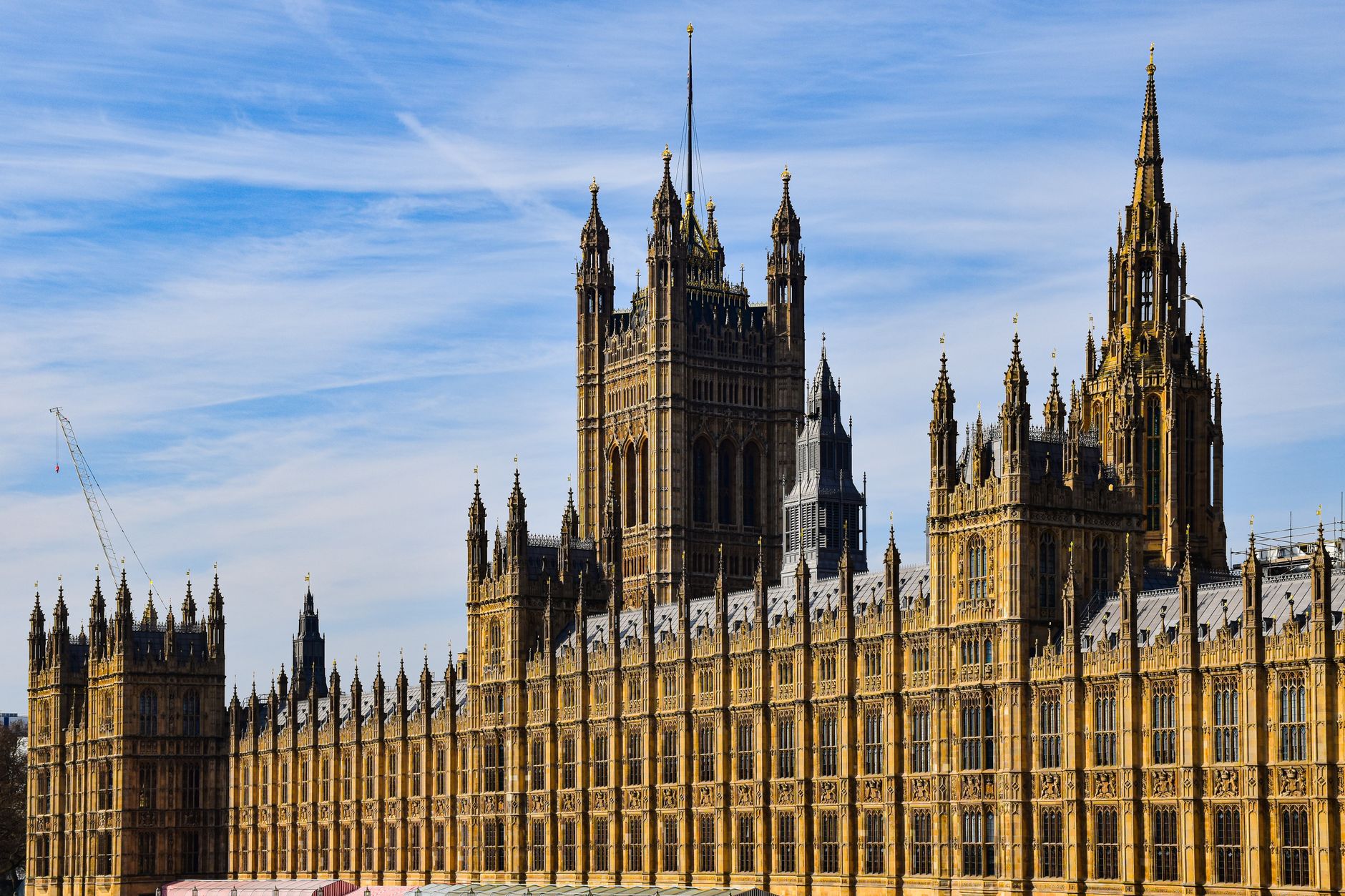
Makerfield, a post-industrial constituency in Greater Manchester's orbit, became the site of Burnham's formal re-entry into Westminster politics.
Anthony Audiodubz Oliver / PexelsWhat Starmer’s Position Actually Is
Keir Starmer enters this period with a parliamentary majority and a deteriorating position in national polling. His government has accumulated the standard inventory of second-year governing difficulties: public service delivery failures, internal party disputes, and an inability to translate legislative activity into a coherent public narrative. None of that is disqualifying by historical standards. It is, however, the environment in which a challenger operates most effectively.
Burnham’s path to the leadership requires either Starmer’s voluntary departure or a formal challenge triggered by a confidence vote among Labour MPs. Neither is imminent. What Makerfield does is establish Burnham as the figure around whom Labour MPs who want an alternative can now organize — a process that operates through briefings, media positioning, and parliamentary committee work rather than open confrontation, at least initially.
Starmer’s calculation is that governing through difficulty is less damaging than appearing to be pressured by a rival. Burnham’s calculation is the inverse: that the longer Starmer governs without reversing Labour’s polling trajectory, the more urgent the case for change becomes.
Reform’s Strategic Problem
Nigel Farage’s Reform party has defined itself as the vehicle for voters who feel abandoned by both major parties — an anti-establishment formation that performs best in conditions of institutional exhaustion. Makerfield should have been competitive territory. Post-industrial, skeptical of London-directed governance, historically Labour but increasingly volatile.
A decisive Burnham victory in that setting is not merely an electoral setback. It is evidence that Reform’s ceiling in working-class northern England may be lower than its national polling suggests when it faces a recognizable Labour figure with regional credibility rather than a generic party candidate. That distinction matters for Reform’s long-term strategic planning. It also matters for Labour’s internal debate about what kind of leadership can hold the coalition together.
The Scotland Variable
Two other byelections were declared overnight in Scotland. Their results will be parsed alongside Makerfield as evidence of either a broader pattern or a locally specific one. Scotland’s political geography — still defined by the SNP’s dominance and Labour’s partial recovery in 2024 — operates on different dynamics than the English north. The overnight results nonetheless feed into the same national conversation about whether the government’s coalition is stabilizing or fragmenting.
Structure, Not Moment
Burnham’s return to Westminster is best understood as the beginning of a structured pressure campaign rather than a sudden rupture. The byelection result established his presence. What follows — his parliamentary interventions, his positioning on key legislative debates, the alignment or misalignment of his public statements with government policy — will determine whether Makerfield was a launching point or the high-water mark of a leadership challenge that never fully materialized. The byelection gave Burnham the platform. The platform is not the argument. The argument has not yet been made.