What the UN Resolution Actually Said
In March 2026, the United Nations General Assembly adopted a resolution declaring the transatlantic trafficking of enslaved Africans to be the gravest crime against humanity. The language was not rhetorical novelty. It was a formal legal and moral categorization carrying specific institutional weight — one that now serves as the foundation for what is happening in Accra this week.
The resolution did not mandate reparations. It did not establish a tribunal, a fund, or a mechanism for restitution. What it did was change the evidentiary baseline for every subsequent negotiation. Nations that participate in follow-on processes now do so under a framework that has already adjudicated the foundational question. The Accra summit, titled Next Steps, is the first serious institutional attempt to determine what comes after that adjudication.
From Resolution to Commitment: The Gap
The distance between a UN resolution and actionable state behavior is where most international moral consensus goes to expire. The history of post-resolution diplomacy on atrocities — from the Convention on Genocide to the Responsibility to Protect doctrine — is largely a history of reaffirmation without enforcement. States sign, ratify, and subsequently interpret obligations in ways that minimize material cost.
The Accra summit is operating inside that gap. Its organizers know the gap exists. The conference’s explicit framing around “actionable commitments” signals awareness that the primary failure mode of reparatory justice movements has been the conversion of symbolic agreement into permanent deferral. The question the summit is genuinely trying to answer is structural: what institutional mechanisms can bind governments to commitments they make in Accra when they return to domestic political pressures that run in the opposite direction?

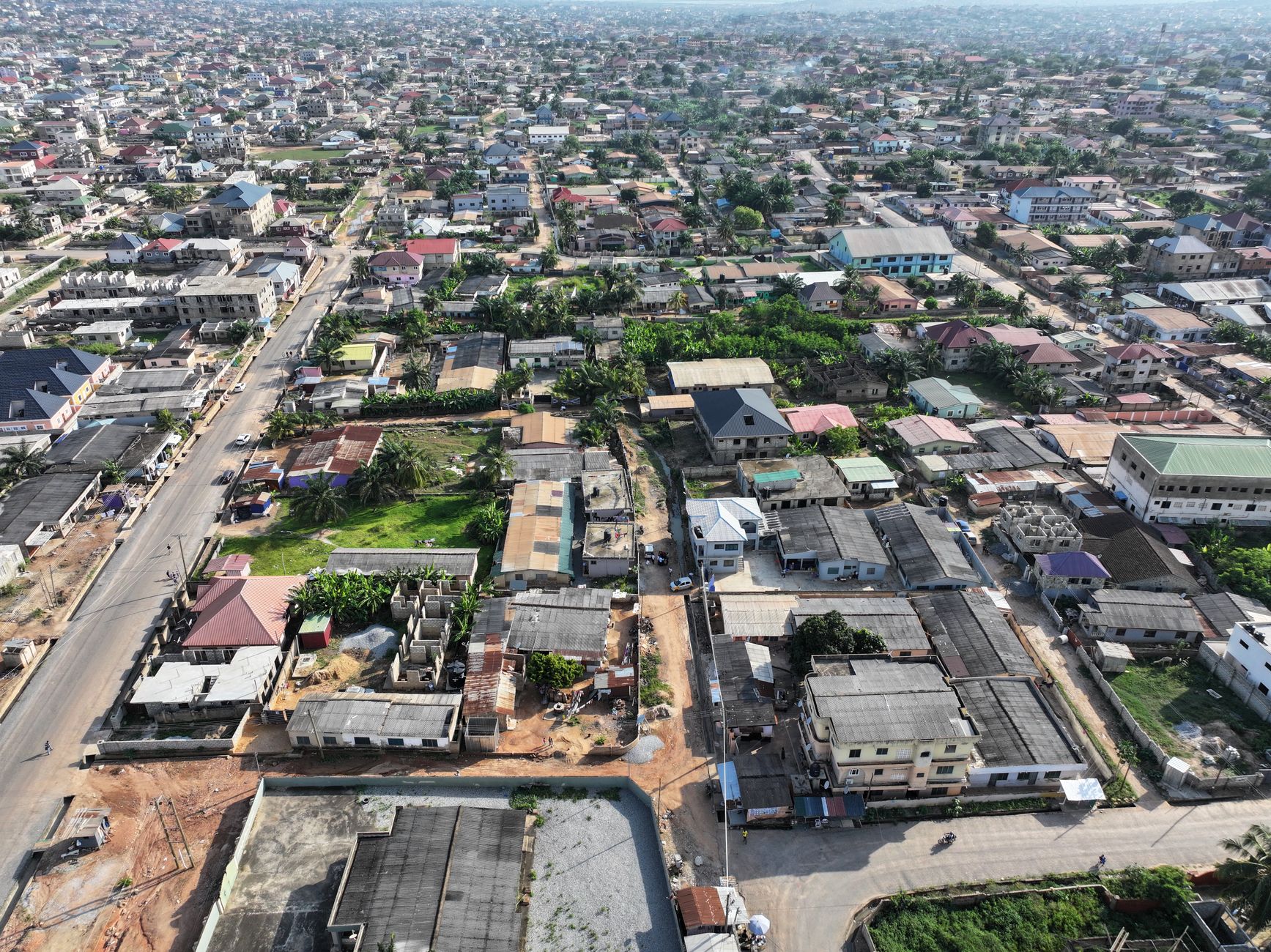
The UN General Assembly's March 2026 resolution declaring the transatlantic slave trade the gravest crime against humanity set the formal basis for the Accra summit's agenda.
Itzyphoto / PexelsThe 80-Country Problem
Representatives from more than 80 countries are present. That breadth is simultaneously the summit’s greatest asset and its most significant liability. The nations that bear the greatest historical responsibility for the transatlantic slave trade — the United Kingdom, France, Portugal, the Netherlands, Spain, and the United States — have each developed distinct national narratives about the limits of their culpability and the appropriate form of acknowledgment.
Some have offered apologies without financial commitment. Some have proposed development aid as a substitute for restitution. None have accepted the legal framework of direct, quantifiable reparations to descendant communities or successor states. The presence of their representatives in Accra does not resolve these positions. It creates a venue in which those positions must be stated publicly alongside the positions of Caribbean nations, African governments, and diaspora civil society organizations that are demanding something materially different.
The summit’s value may be precisely this public exposure of the gap — not the bridging of it.
Ghana’s Institutional Positioning
Ghana is not a neutral host. President John Mahama’s government has invested significant diplomatic capital in positioning Ghana as the continental hub for the reparatory justice movement, building on the country’s historical symbolism as the departure point for a substantial portion of the enslaved people transported to the Americas. The Cape Coast and Elmina castles are not abstract history — they are physical infrastructure around which Ghana has built a diaspora reconnection strategy for decades.
Hosting Next Steps is a continuation of that positioning, but it is also a risk. If the summit produces weak communiqués and non-binding declarations, Ghana absorbs the reputational cost of having convened a process that stalled at the first institutional checkpoint. If it produces genuine architectural progress — a permanent secretariat, a quantification methodology, a set of bilateral negotiation frameworks — Ghana becomes the institutional center of a multigenerational claims process with significant geopolitical and financial implications.
What “Reparatory Justice” as an Institutional Category Does
The choice of the phrase “reparatory justice” rather than simply “reparations” is deliberate and consequential. It expands the frame beyond financial transfer to include reconciliation mechanisms, archival access, cultural restitution, educational acknowledgment, and structural economic reform in historically extracted regions. This expansion has tactical logic — it allows states that will not accept financial liability to participate in adjacent commitments — but it also creates the conditions for permanent displacement of the financial question onto softer terrain.
The summit will be judged not by the breadth of participation but by whether it produces institutional machinery that cannot be quietly dismantled by the next change of government in any participating state. A permanent body with a defined mandate and transparent reporting requirements represents structural progress. A joint declaration represents the continuation of a pattern that has been running, without resolution, for the better part of three decades.